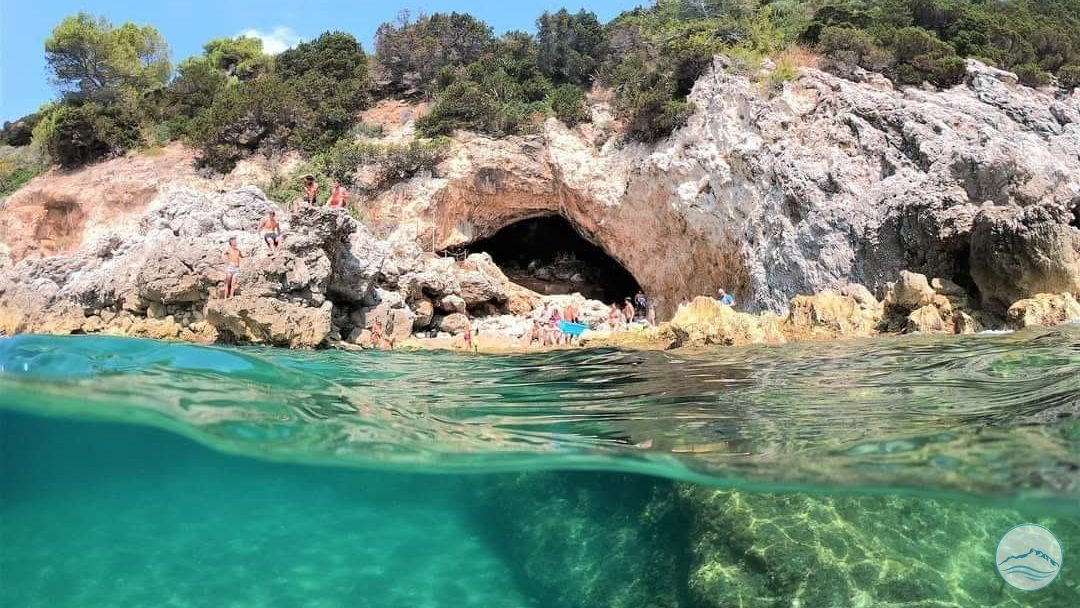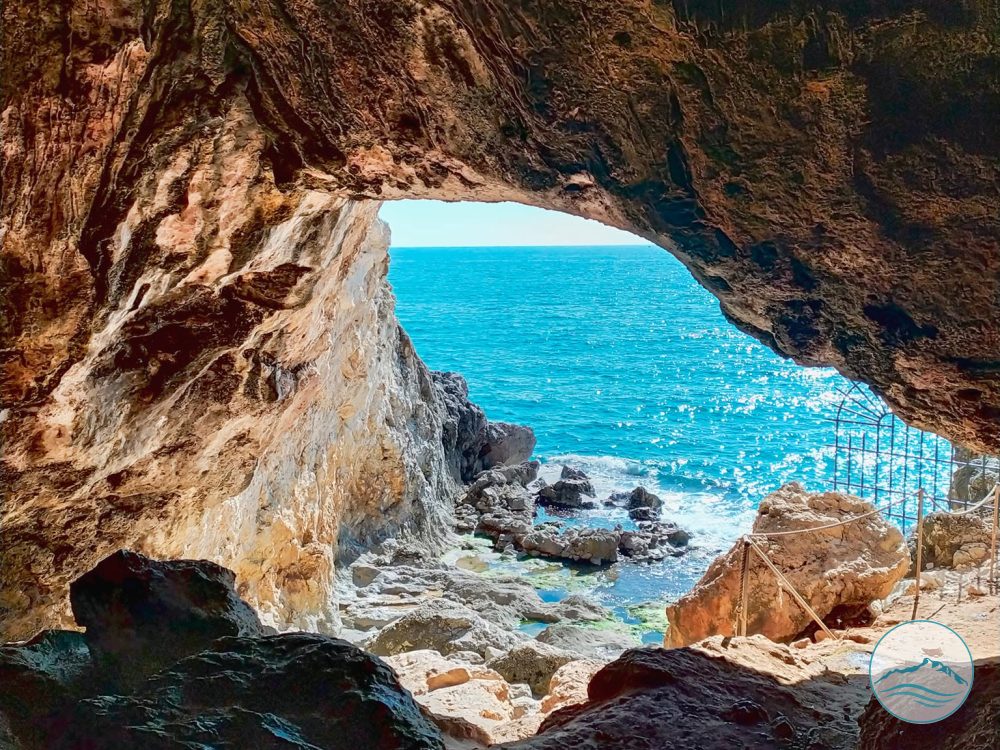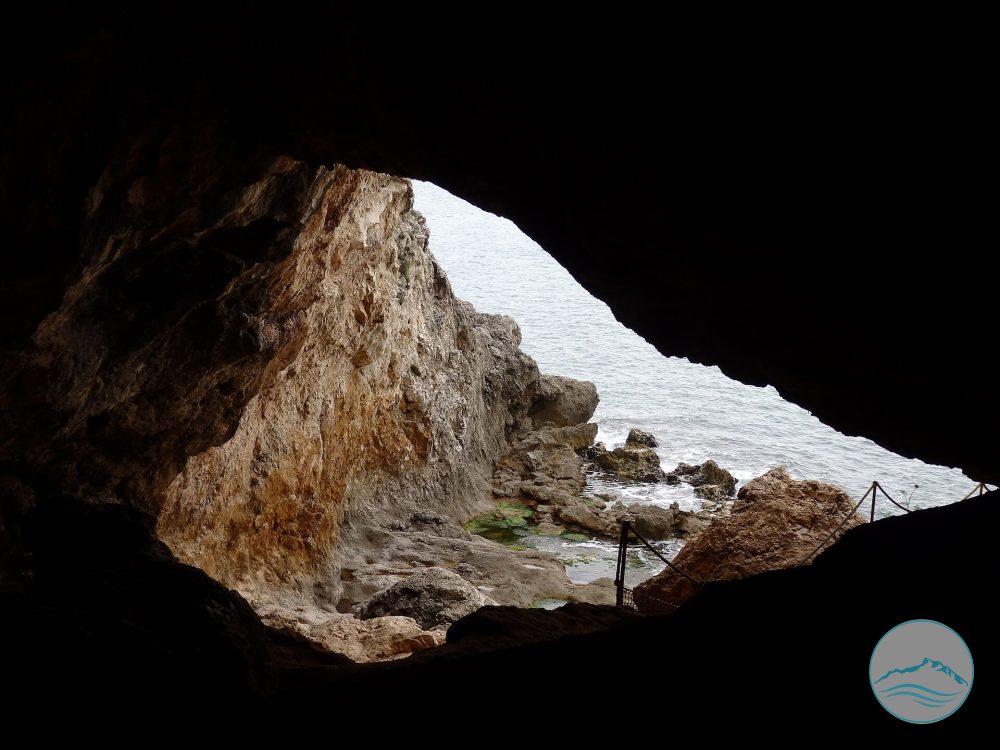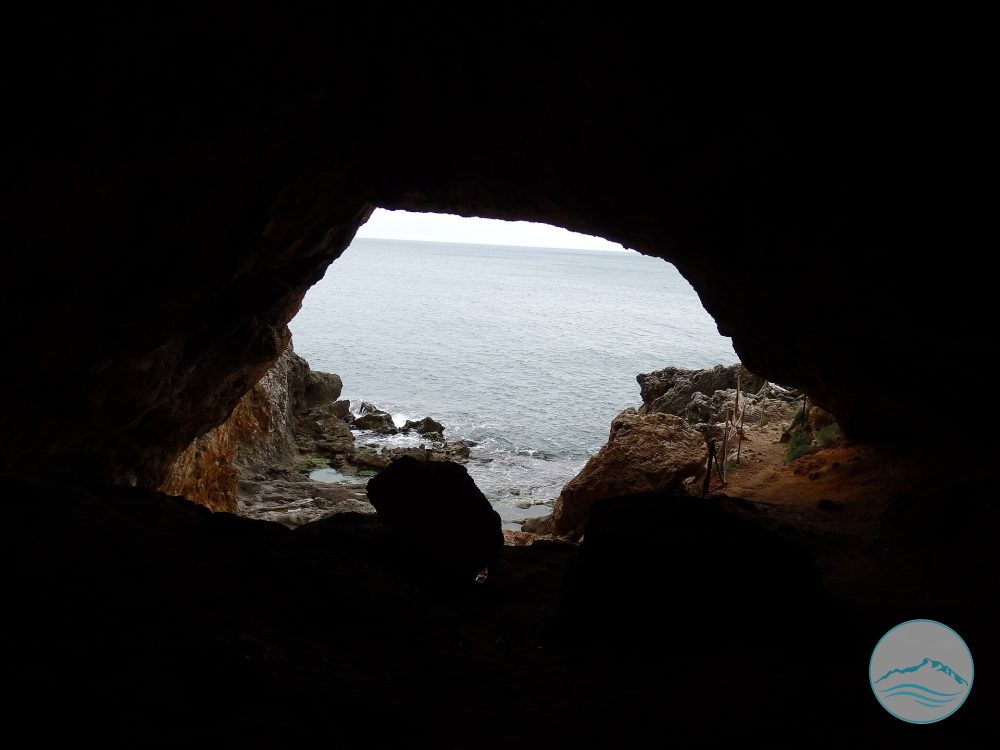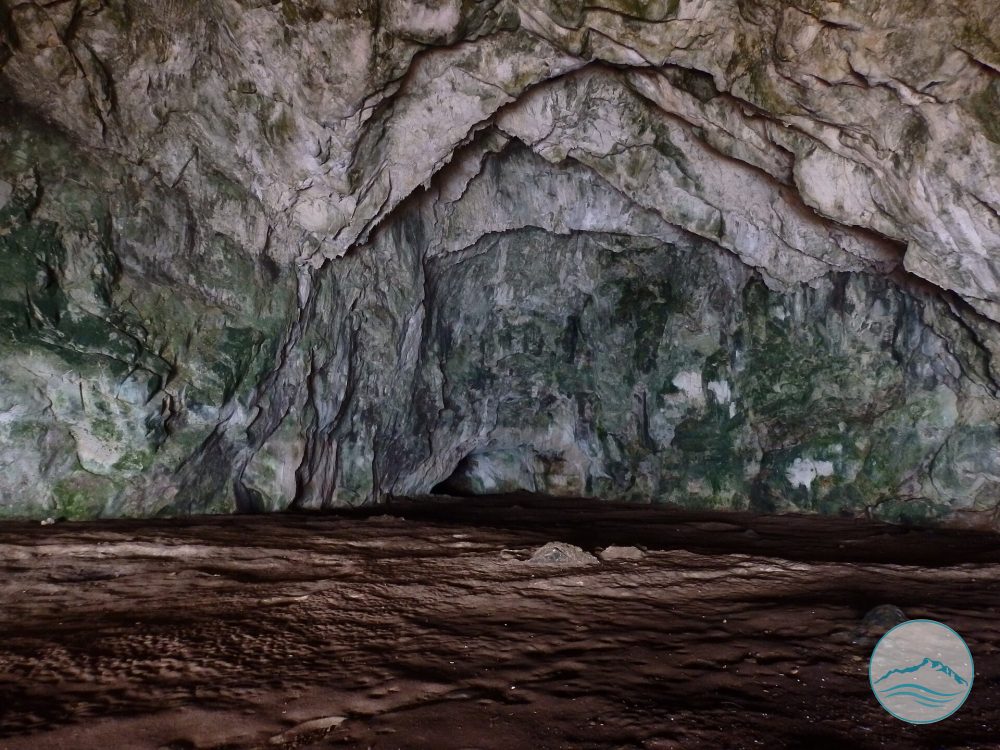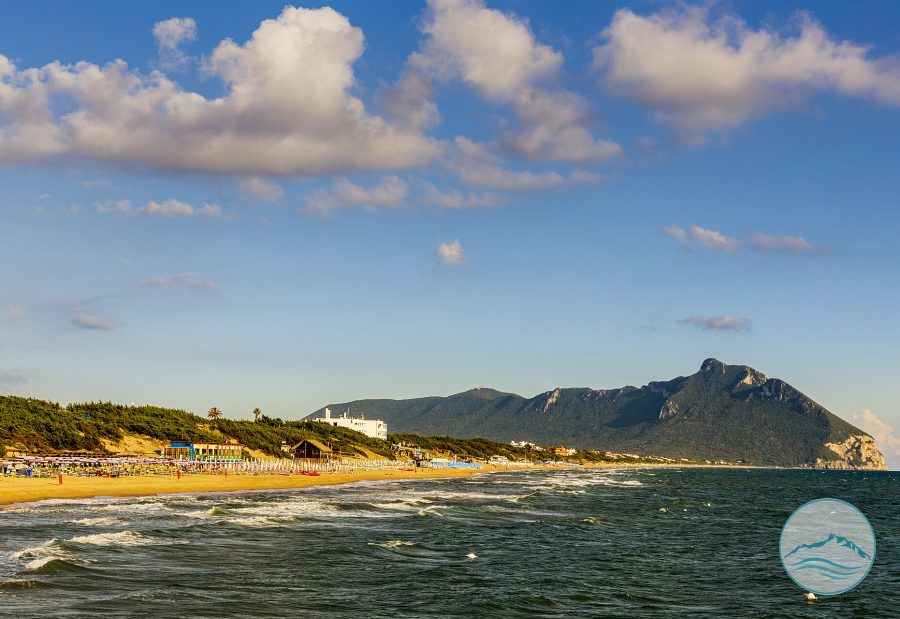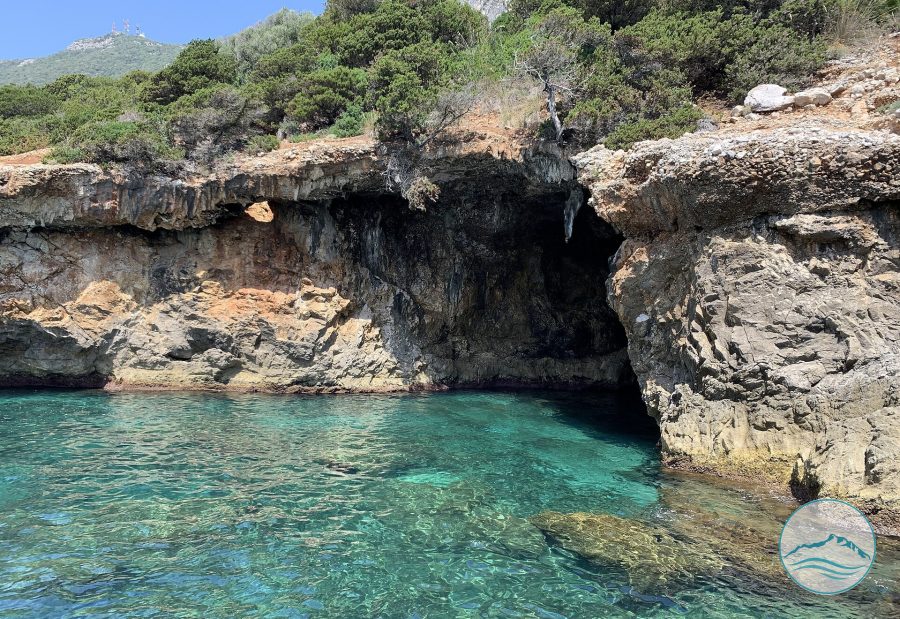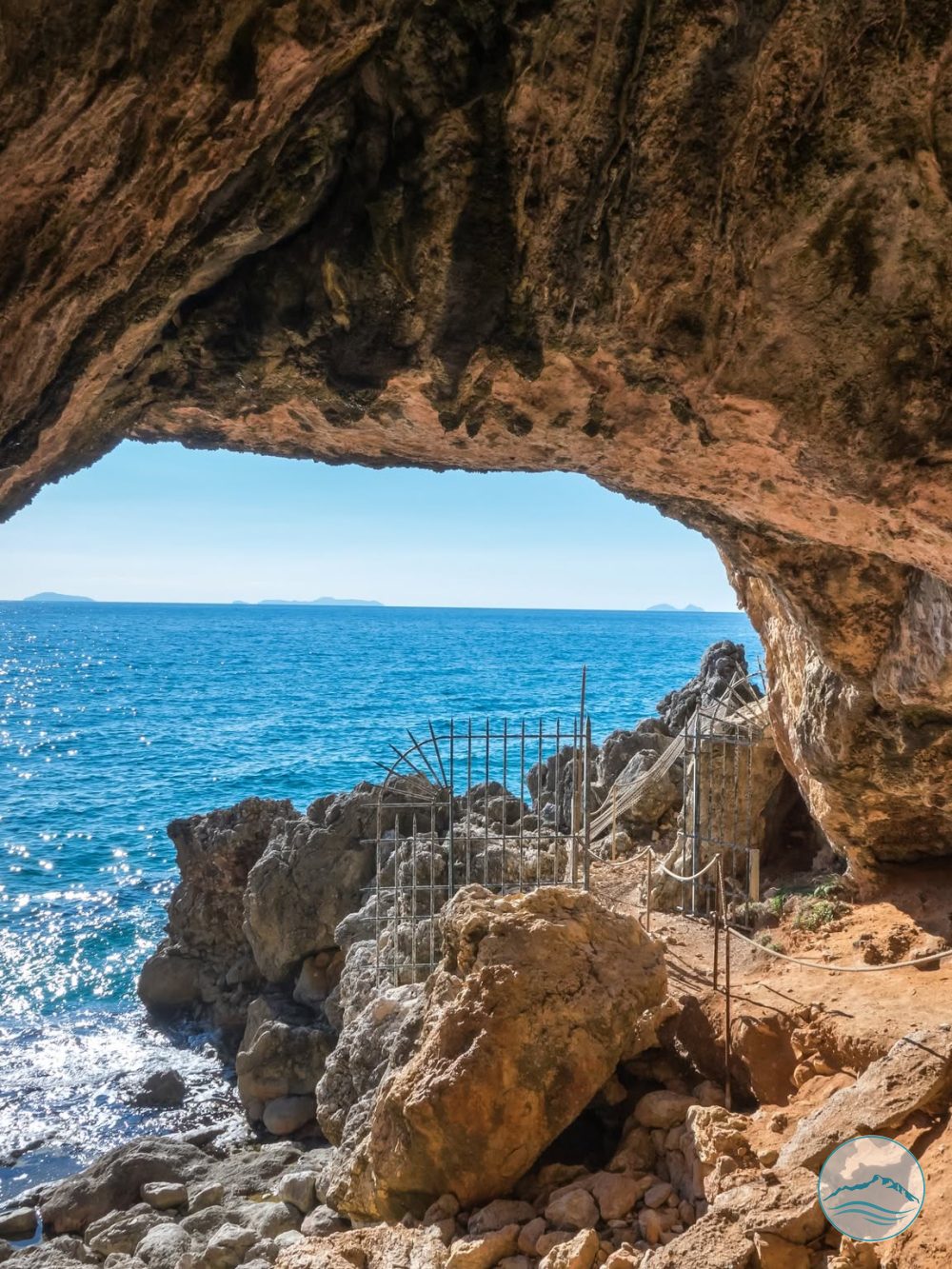
The most famous and visited of the Circeo caves after the Guattari Cave, on the southern side of the promontory at Quarto Caldo. Just past the entrance is a majestic dome-shaped hall over 15 metres high, which then branches into three: a tunnel at the back about thirty metres long, a second branch with a low passage and a third reached by a ramp near the entrance. Once known as the ‘Sorceress’s Cave’, after the legend that Circe prepared her spells here, it has yielded finds attributed to both Neanderthals and Sapiens, as well as a pre-Roman burial; its easy access to the sea, good for swimming, makes it a popular spot in summer too.
The Grotta delle Capre (Cave of the Goats) is one of the most famous caves of the Circeo, as it is easy to reach by land – taking the Via del Faro from the Historic Centre – and has below it a wide semicircular area where you can swim off the rocks and sunbathe. It owes its name to the shepherds who used it as a shelter for their flocks. It is also one of the most important prehistoric sites in the Agro Pontino. Its interior, decorated with striking stalactites, is divided into two adjoining spaces, and its walls show, at about 8 metres above sea level, a wonderful fossil shoreline notch, drawn by the boreholes of lithophagous molluscs (date mussels). These holes record an ancient sea level belonging to a warm interglacial sea, much higher than today. During interglacial periods, as most of the continental glaciers melted, huge amounts of water flowed back into the sea, raising the shoreline and flooding the inland plains. About 120,000 years ago, during the Riss-Würm Interglacial, the sea, higher and warmer than today, flooded the Pontine Plain, surrounding our promontory and turning the Circeo into an island. This site too was studied by Blanc in 1936, and thanks to his excavations it has been possible to retrace the history of the cave and reconstruct a Quaternary ecological environment of our area. Among the fossil finds from the many layers of the cave deposit, the remains of a hippopotamus associated with charred fragments of fir stand out. This unusual find shows that, for a time, an animal of warm climates “lived alongside” vegetation typical of the cold climate of the last Ice Age at the Circeo. It is likely that along the coast near the promontory, under the tempering effect of the sea and the nearby marshes, a sort of milder climatic “island” formed, where, with the harsh temperatures of the last glacial phase greatly softened, some specimens of a warm-climate fauna then dying out took refuge.