We are on the Tyrrhenian coast, on the stretch between Terracina and Anzio, about 100 km south of Rome. The Circeo National Park was established on 25 January 1934 and covers four municipalities: Latina, once called Littoria, Sabaudia, San Felice Circeo and Ponza. The Park covers about 8,000 hectares and, for its biodiversity, can be divided into five different environments.
The lowland forest, 3,300 hectares, is what remains of the ancient Forest of Terracina, with six different types of vegetation; deciduous oaks are the dominant species. In some places, called “piscine” (pools), thanks to their particular landforms, the flooded forest lets us relive the landscape as it was before the reclamation.
The coastal lakes (Paola, Caprolace, Monaci and Fogliano), remnants of the great lagoon formed by waters from the Alban Hills and the Lepini and Ausoni Mountains held back by the coastal dune, are brackish lakes, breeding grounds for fish and molluscs and stopovers for migratory birds; together with the wetlands, seasonally flooded, they are a precious environment not only for the typically water-loving vegetation but also for wildlife: birds, reptiles, amphibians and insects.
The coastal dune, a true sandy barrier about 25 km long and up to 27 m high, has great biodiversity and is extremely delicate both geologically and botanically: the side facing the sea has pioneer salt-tolerant vegetation, while the inner side, sheltered from salt-laden sea winds, has low and tall Mediterranean scrub.
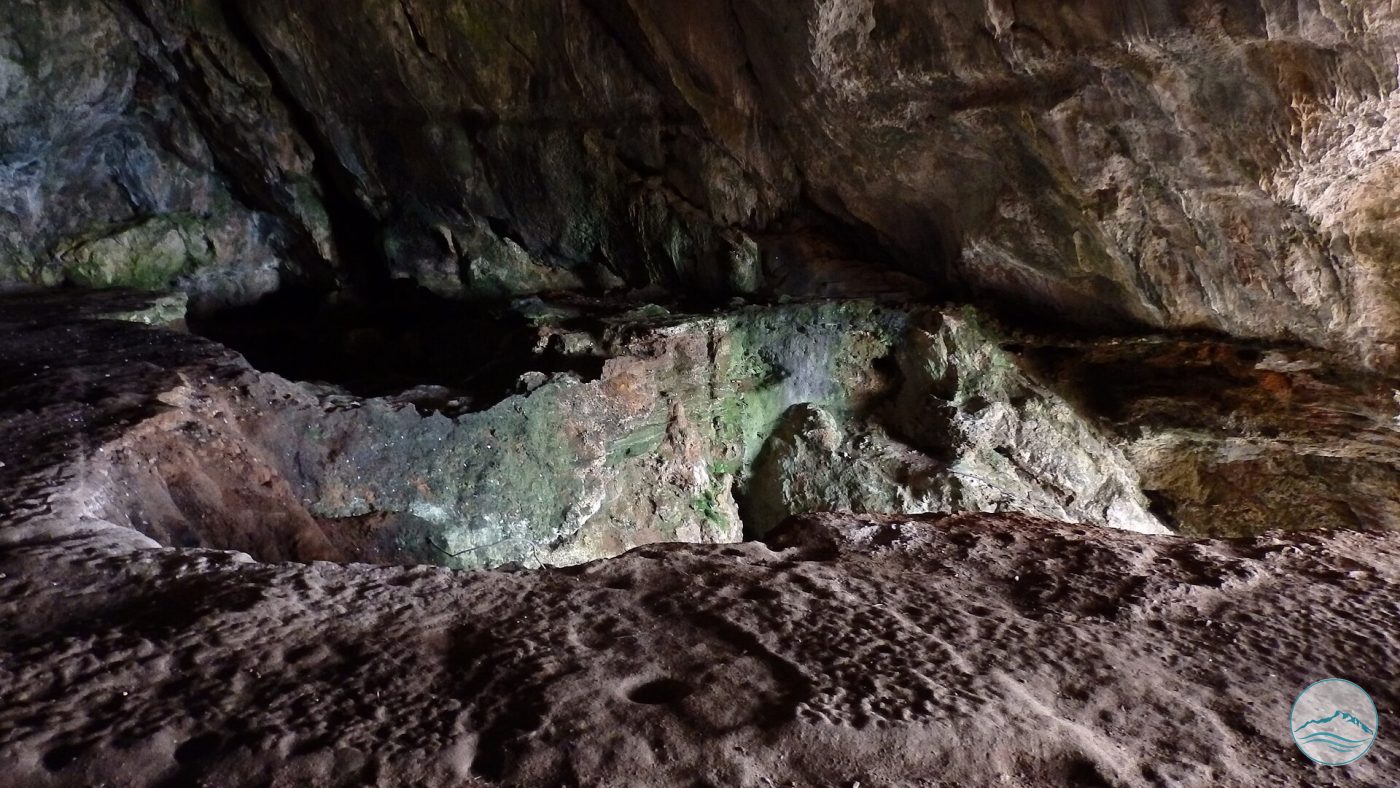
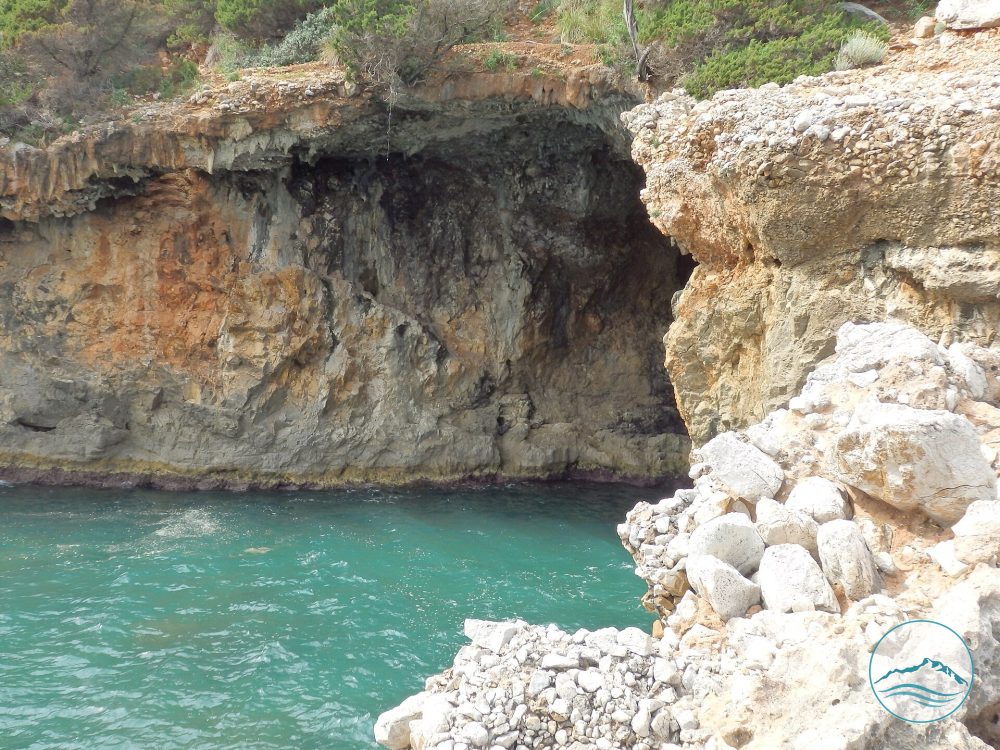
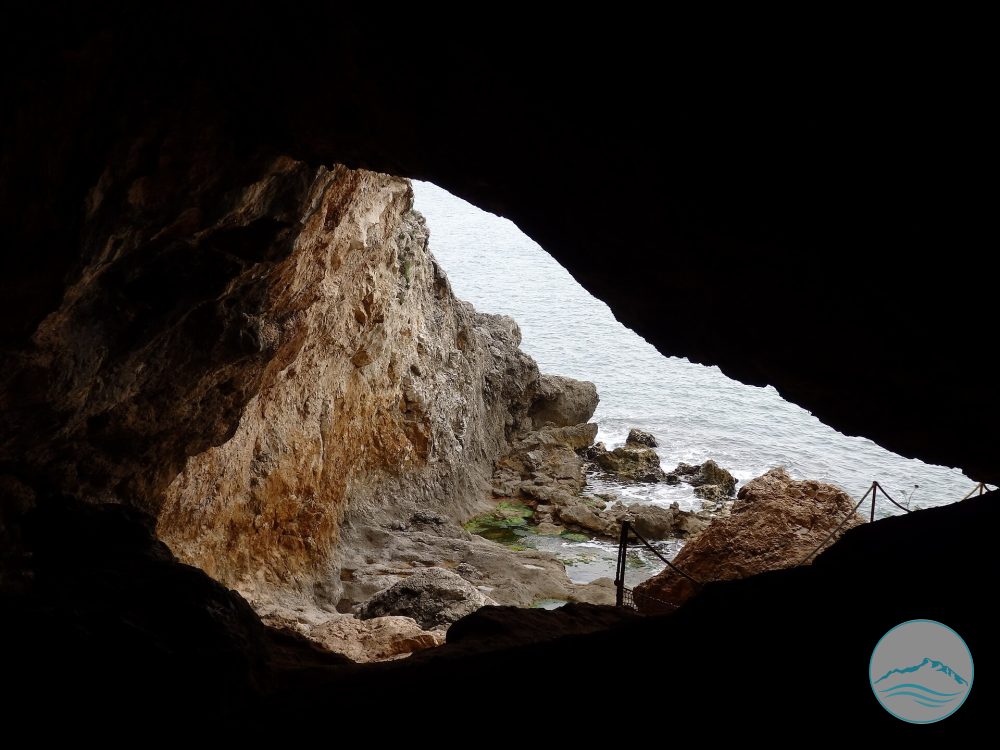
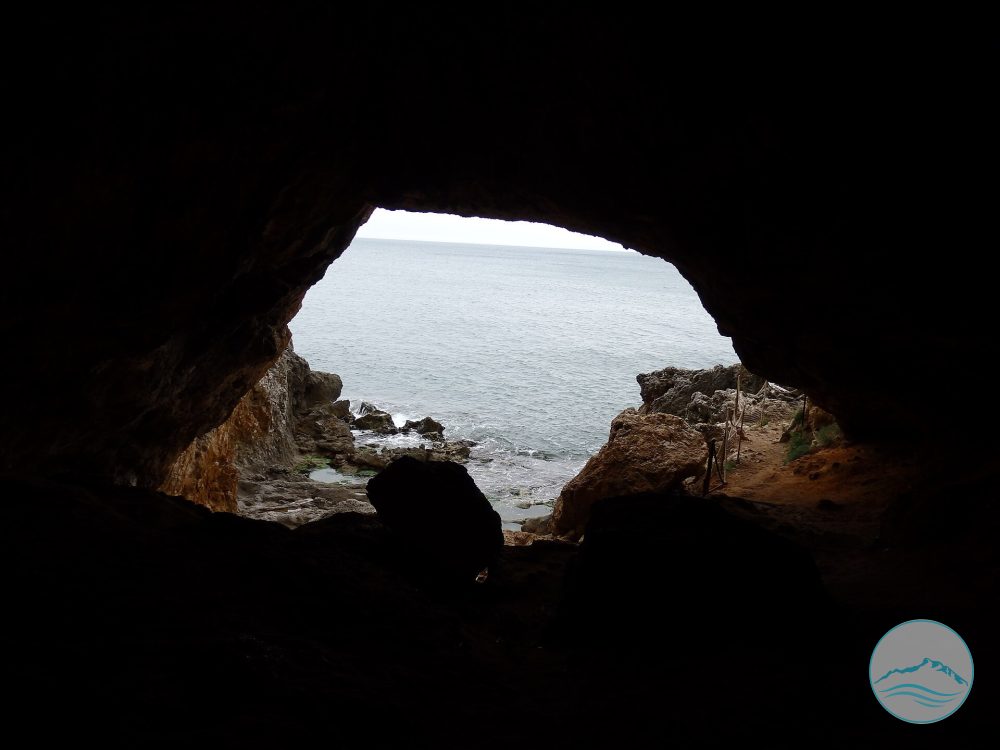
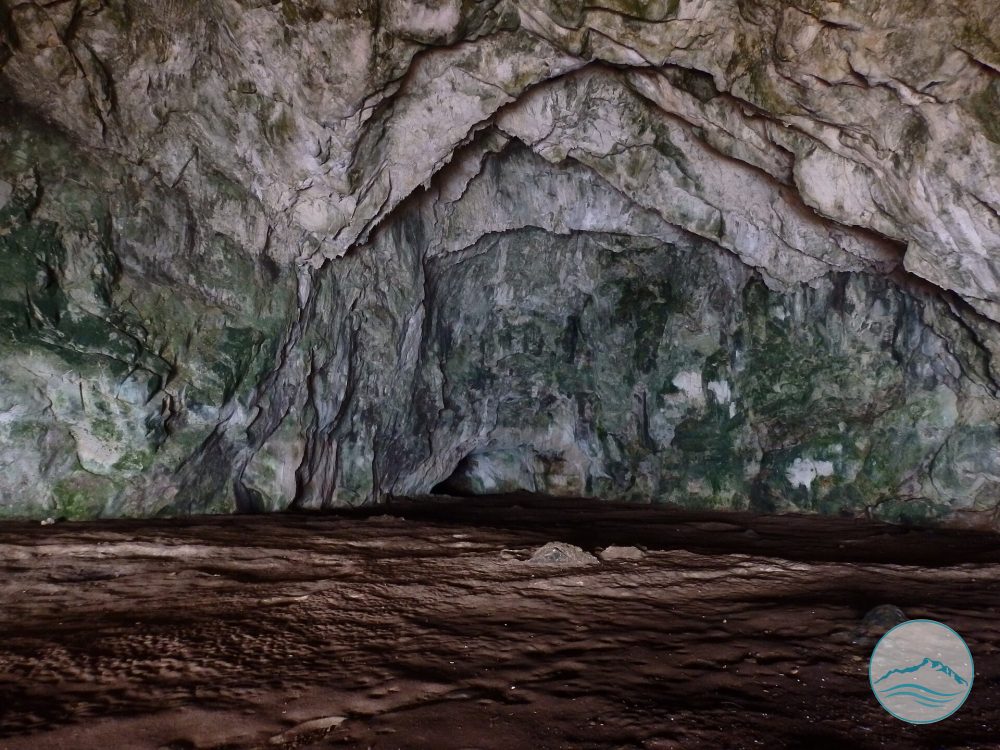
The Circeo promontory, once an island, reaches its highest point at the Picco di Circe (541 m above sea level) and has two sides so different in exposure that they have been nicknamed Quarto Freddo (“cold quarter”, the northern side with a dense thermophilous forest) and Quarto Caldo (“warm quarter”, the southern side with Mediterranean vegetation: pioneer salt-tolerant species, garrigue, low and tall scrub), a factor that strongly affects the plant and animal communities found there.
The island of Zannone, part of the Municipality of Ponza and geographically belonging to the Pontine Islands archipelago, was included in the Park in 1979. Its 102 hectares range from tall scrub, with holm oak dominating a wood with heather, phillyrea, strawberry tree and mastic, to low scrub on the southern side and garrigue towards the sea; it is a small environment with interesting endemic plants and animals, such as the broom Genista ephedroides and French lavender (Lavandula stoechas), and a remarkable ancient geology.